When people talk about World of Warcraft’s storytelling, they often praise cinematics or major lore events. Yet beneath the spectacle lies the real soul of Azeroth—its quest writing. Every breadcrumb trail, whispered note, and emotional resolution tells a story crafted to connect player and world. Over twenty years, Blizzard’s quest design has matured into one of gaming’s most consistently excellent forms of interactive storytelling—quietly weaving depth through dialogue, humor, and humanity.
This article explores why WoW’s quest writing stands as one of its most overlooked strengths, and how it continues to define immersion more than any cinematic ever could.
From Fetch Quests to Emotional Arcs
In Classic, quests were simple—collect boar tusks, deliver letters, or slay bandits. Yet even then, subtle worldbuilding existed in every note and journal. Over time, these mechanical errands evolved into meaningful narratives. Wrath of the Lich King introduced emotionally charged arcs like the Wrathgate and Bridenbrad’s story, showing that even brief interactions could carry immense weight. Modern WoW continues this legacy with cinematic quest chains where players don’t just follow instructions—they live the story.
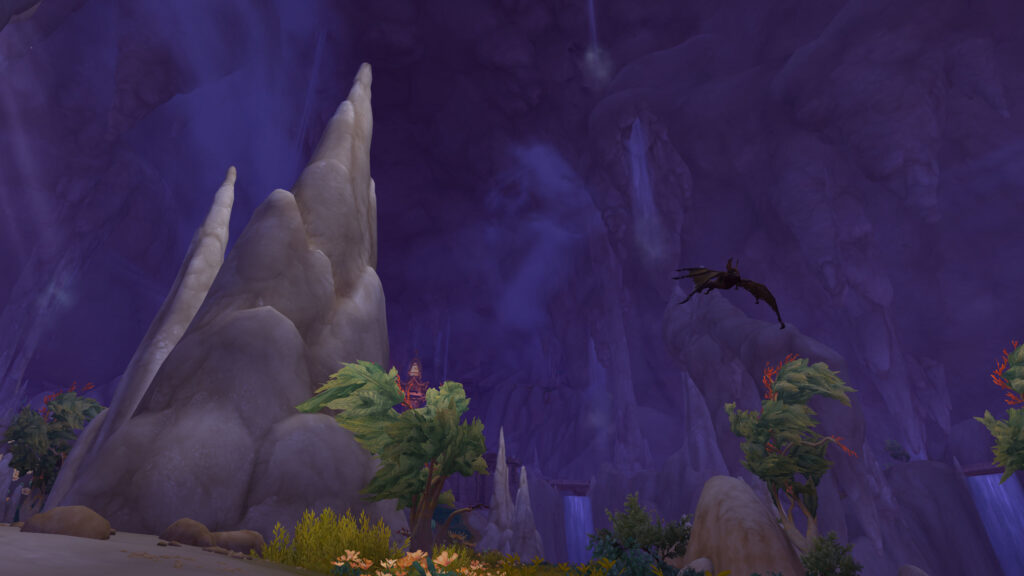
Every quest, no matter how small, contributes to Azeroth’s heartbeat.
Writing with Personality
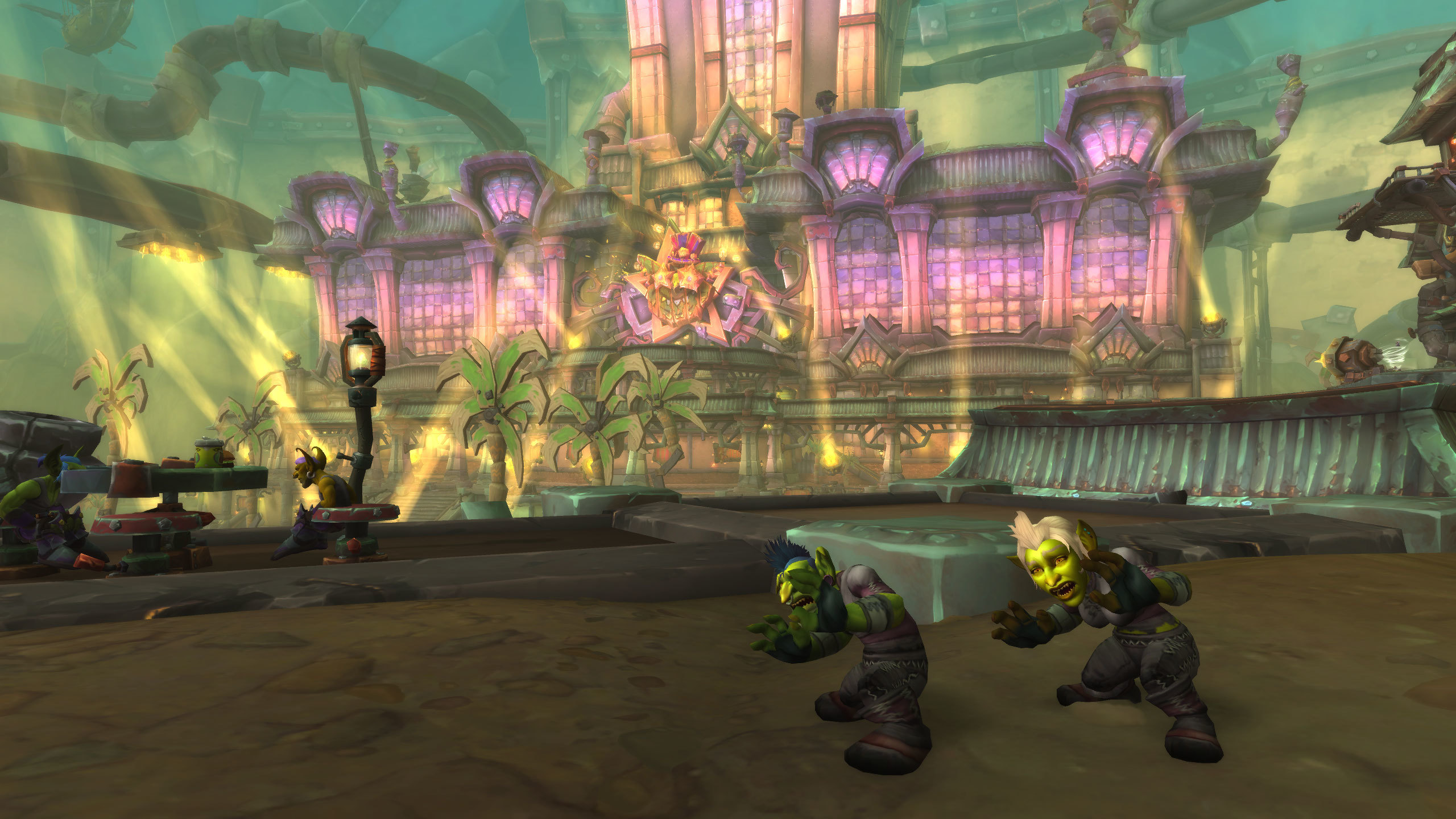
WoW’s writers infuse humor, sorrow, and charm into the smallest lines. Goblin quests brim with corporate satire; Forsaken missions drip with melancholy reflection. From Mankrik’s lost wife to the philosophical musings of Shadowlands’ afterlives, each questline reveals the world’s tone through character voice. Players don’t need cinematics to feel emotion—the text itself often does the heavy lifting. In this, WoW’s quest design mirrors literature as much as gameplay.
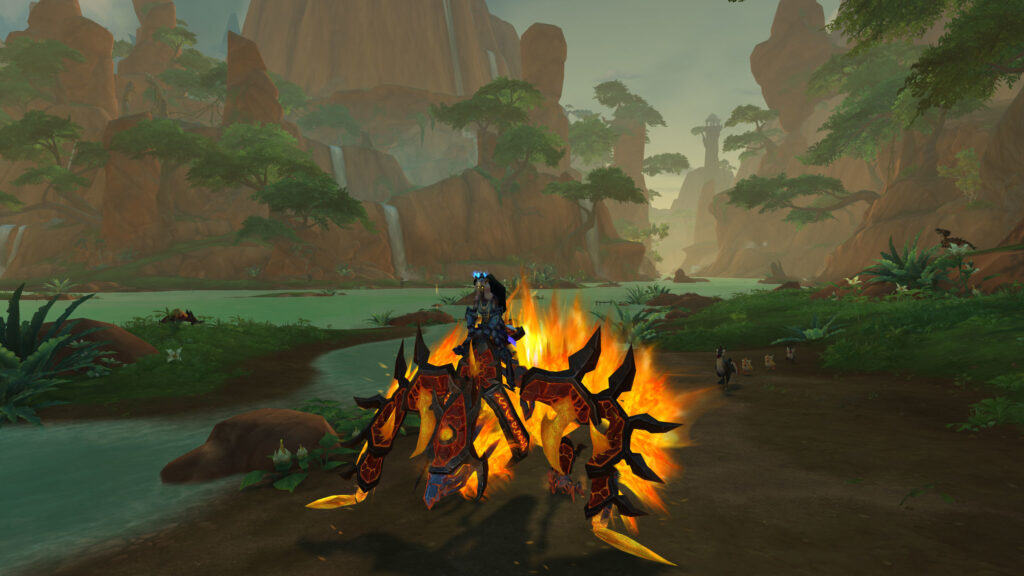
Its writing is not loud—it’s intimate, quietly shaping every player’s perception of the world.
Quest Design as Environmental Storytelling
Many of WoW’s most powerful stories unfold through setting rather than dialogue. A burned village in the Barrens, a tomb in Desolace, or a camp filled with abandoned letters tells more than exposition ever could. The game’s writers and designers collaborate to ensure that story exists not just in text boxes, but in what players see and feel. This subtlety distinguishes WoW from other MMOs—it teaches through discovery, not direction.
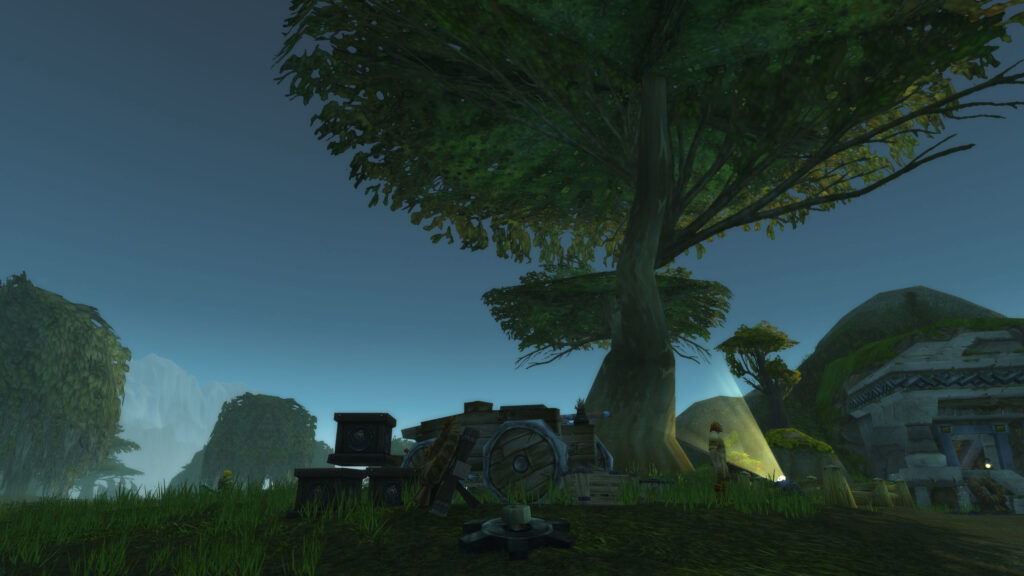
The silence between quests often says more than the dialogue within them.
- Westfall: Economic despair reflected in scavenger quests.
- Drustvar: Environmental horror told through cursed scenery.
- Suramar: Political oppression expressed through stealth and rebellion quests.
- Revendreth: Redemption through service—narrative built into gameplay.
- Thaldraszus: Reflection on time and legacy through memory quests.
Characterization Through Quest Chains
WoW’s most beloved characters rarely begin as cinematic icons—they’re built through questlines. Think of Rexxar’s wanderings, Anduin’s growth from child to king, or Draka’s rebirth in Maldraxxus. Each quest interaction builds personality, motive, and memory. The slow, episodic unfolding of character arcs allows players to bond through repetition and progress. Storytelling isn’t forced—it’s earned through effort and empathy.
Players don’t just witness stories—they participate in their creation.
The Balance of Humor and Humanity
WoW’s quest writing thrives on tonal balance. For every heartbreaking farewell, there’s a goblin demanding absurd paperwork or a gnome testing questionable explosives. This blend of humor and sincerity prevents the world from collapsing under its own epic scale. It mirrors real life—tragedy and comedy coexisting in constant tension. Few games balance these emotional contrasts as effortlessly as WoW does.
Its writers understand that laughter makes loss hit harder.
Modern Questlines: Cinematic Integration Done Right
Modern expansions like Dragonflight and The War Within have taken quest writing to new heights. Dialogue now flows naturally between gameplay and cutscenes, creating a seamless narrative experience. Voice acting enhances immersion without replacing text-based storytelling. The best modern questlines still rely on Blizzard’s writing strengths: character intimacy, moral nuance, and world interconnection. It’s proof that great writing doesn’t need to shout—it just needs to resonate.
Players remember not because of graphics, but because of words that linger long after logout.
The Art of Subtle Storytelling
Perhaps WoW’s greatest narrative triumph lies in restraint. Not every mystery is explained, not every motive revealed. Quest writers often trust players to interpret meaning through implication. A cryptic inscription, a letter in a ruin, or a single line of regret can build more atmosphere than any cinematic twist. This quiet confidence in storytelling depth gives Azeroth its timeless quality.
Great writing doesn’t tell you everything—it invites you to listen.
Conclusion
For all its epic battles and cosmic wars, WoW’s truest strength lies in the words that guide players from one adventure to the next. Its quest writing captures humor, heartbreak, and humanity in ways few games manage. It turns errands into experiences and stories into memories. Every quest may end, but its impact lingers—because behind every “!” is a story worth telling.
And that, more than any cinematic, is why Azeroth still feels alive after twenty years.