Few things capture the essence of World of Warcraft like legendary items. From the first sight of Thunderfury in Classic to the crafting of Shadowmourne and the empowerment of Legion’s artifact weapons, legendaries have always stood for more than stats—they represent prestige, patience, and purpose. Every expansion reinvents how players pursue them, yet their emotional weight never fades. To hold a legendary is to hold history itself.
This article explores how legendary items define power, motivate players, and embody the spirit of achievement that keeps WoW’s community striving for greatness.
The Birth of the Legend
In Classic WoW, a legendary item was the ultimate status symbol. Thunderfury, Blessed Blade of the Windseeker and Sulfuras, Hand of Ragnaros weren’t just weapons—they were events. Crafting one required guild-wide cooperation, rare materials, and unwavering persistence. Seeing a player wield one inspired awe and envy alike. These items established the emotional foundation of legendaries: power earned, not given.
The world itself seemed to bend around those who held them.
Designing Desire
Blizzard understood early that legendaries thrive on scarcity. Their acquisition blends luck and effort into a perfect psychological loop. When drop rates are low, anticipation builds; when effort is required, commitment deepens. Each legendary becomes a story, a testament to perseverance. It’s not just about owning it—it’s about deserving it. The system turns effort into memory, ensuring legendaries live longer than any patch cycle.
True power in WoW isn’t measured by item level, but by the story behind it.
From Random Drops to Personal Journeys
Over time, Blizzard shifted legendary design from pure RNG to narrative-driven progression. Legion’s artifact weapons transformed players into heroes of destiny, granting unique traits and personalized upgrades. Shadowlands refined this approach, letting players craft legendaries through targeted choice rather than blind chance. The journey became personal—every legendary was not just earned, but built, reflecting the player’s class, spec, and playstyle.
The grind turned into growth, and the weapon became the reflection of the wielder.
| Legendary | Expansion | Acquisition Method | Legacy Impact |
|---|---|---|---|
| Thunderfury | Classic | Raid drop & crafting questline | Defined prestige and guild cooperation |
| Shadowmourne | Wrath of the Lich King | Long questline & raid components | Introduced narrative-driven rewards |
| Warglaives of Azzinoth | The Burning Crusade | Illidan raid drops | Symbol of luck and skill combined |
| Artifact Weapons | Legion | Class-specific storyline | Personalized progression system |
| Shadowlands Legendaries | Shadowlands | Crafting via soul ash and runecarving | Player agency and build experimentation |
The Power Fantasy
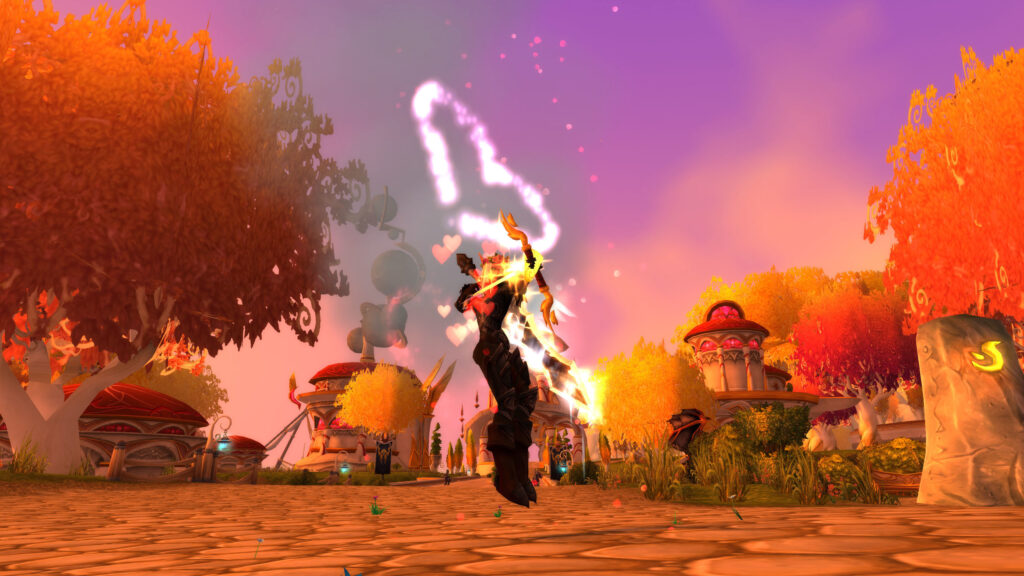
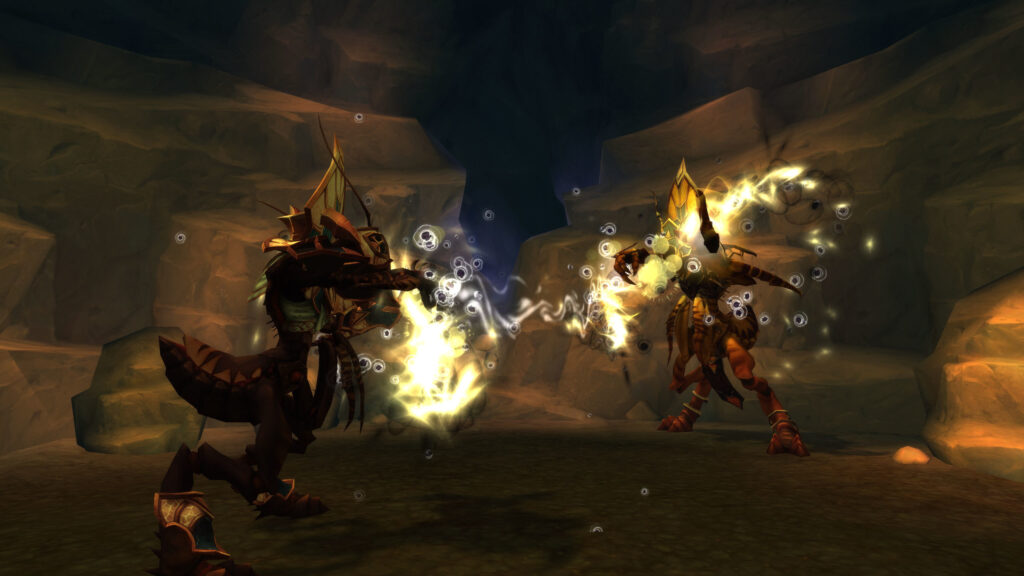
Legendaries tap into the player’s deepest motivation: the desire to feel powerful. When designed well, they transform gameplay entirely. Abilities evolve, visual effects dazzle, and combat rhythm changes. A well-balanced legendary amplifies not just strength but satisfaction. It reinforces identity—letting a Paladin radiate holy vengeance or a Warlock unleash chaos incarnate. Every proc, every glow is a reminder of how far the player has come.
To wield a legendary is to momentarily become myth.
Legendaries as Social Currency
Beyond power, legendaries shape social perception. In Classic, a Thunderfury owner was a celebrity; in Legion, an orange drop meant prestige; in Dragonflight, crafted legendaries showcase dedication. Players use them to mark milestones and mastery, fueling community conversation and admiration. This social recognition reinforces motivation—it’s not just self-achievement, but collective acknowledgment. Legendaries turn solitude into shared celebration.
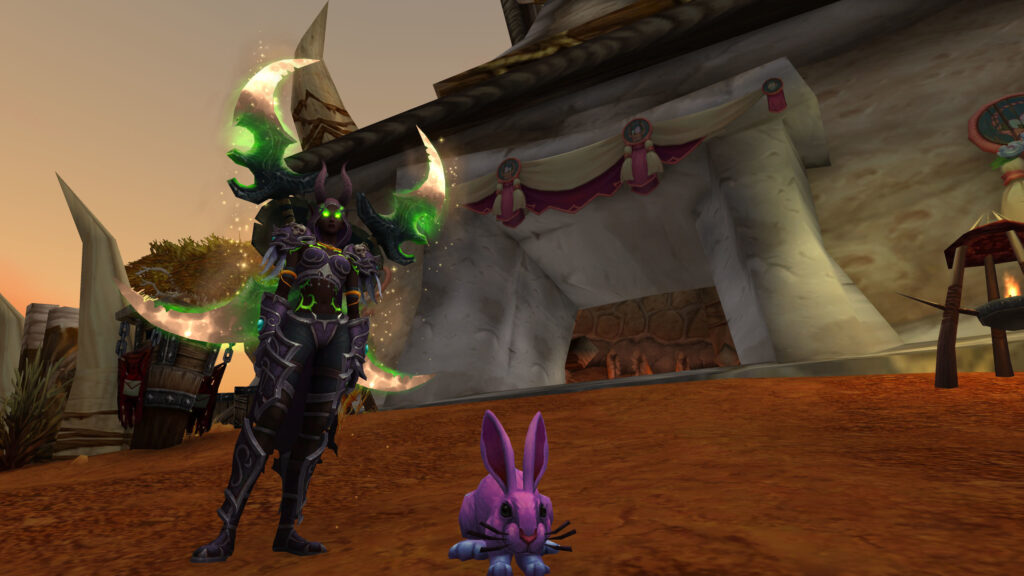
Every orange glow in a raid is a reminder: you earned your legend.
Balancing Power and Accessibility
One of Blizzard’s greatest challenges lies in balancing legendaries’ allure with fairness. Too rare, and players feel excluded; too common, and they lose meaning. The evolution of legendaries mirrors WoW’s shifting philosophy—from exclusivity to inclusivity. Modern systems aim to preserve prestige while ensuring every player can participate in their own myth. Legendary design remains Blizzard’s tightrope walk between awe and accessibility.
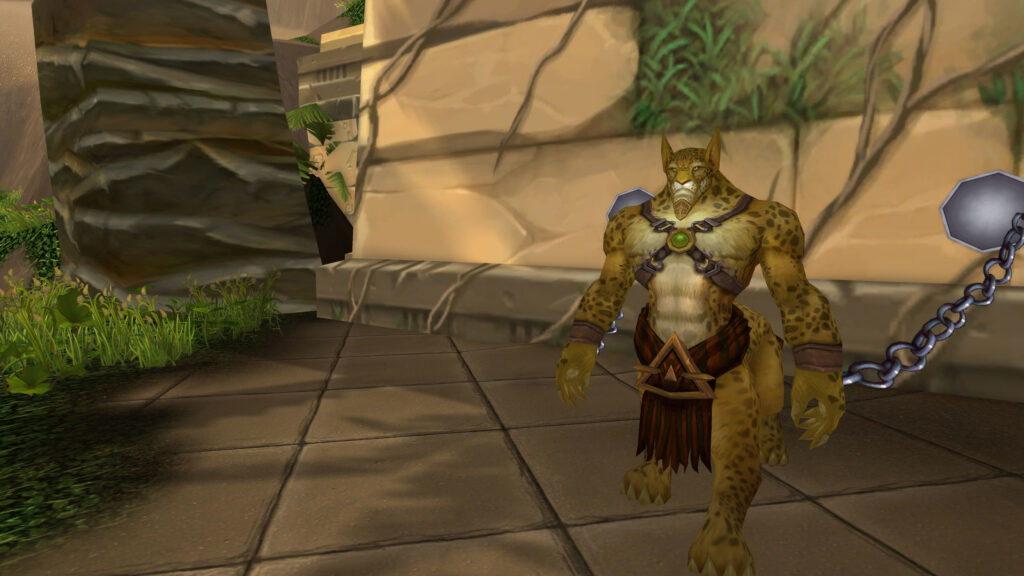
After all, even legends must be shared to stay alive.
Conclusion
Legendary items endure because they embody WoW’s truest reward: pride in progress. They connect effort with identity, mechanics with memory, and individual success with community recognition. From Classic’s world-first forges to modern crafted relics, every legendary tells a story of ambition realized. Players don’t chase orange text for stats—they chase the feeling of becoming part of the world’s mythos.
Because in Azeroth, legends aren’t found—they’re forged.
Home